Cute Dog Christmas Ornament Back 25: A Professional Embroidery Review
First Impressions: Holiday Cheer with a Crafty Canine
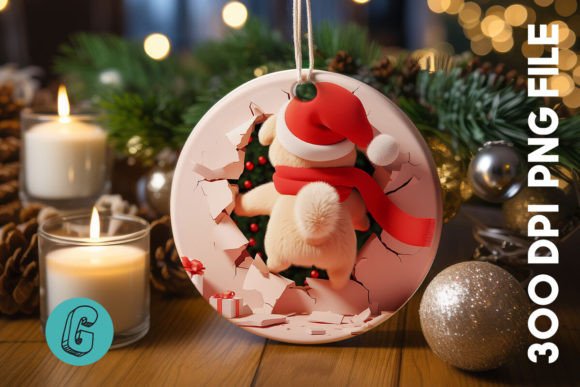
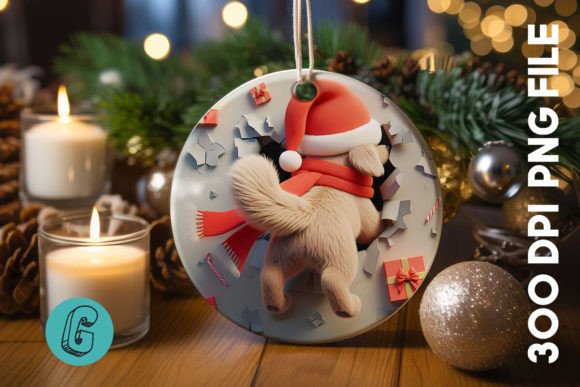
Opening Cute Dog Christmas Ornament Back 25, the immediate mood is playful holiday charm. This isn’t a generic, stern Saint Nicholas; it’s a friendly, stylized pup adorned with festive flair, leaning into that cozy, handmade aesthetic many clients seek. The shape is clean and contained, a classic ornament silhouette, making it a natural fit for an embroidered patch or a framed focal point. The detail level is thoughtfully balanced—enough character to feel special, but not so intricate that it becomes a stitching marathon on a small hoop. Its visual personality is warm and approachable, the kind of graphic that makes you smile and think, “Yes, this would look wonderful stitched onto a holiday kitchen towel for a gift.”
The Real-Life Stitching Scenario: A Boutique Holiday Tote
Let’s picture a real project. I’m considering this design for a limited-run holiday tote bag for my small shop. The goal is a product that feels festive, giftable, and uniquely handmade, not mass-produced. Cute Dog Christmas Ornament Back 25 comes into play here. Its clear, bold outlines suggest it will translate well into satin stitch borders or clean fill stitch areas. I’m thinking about how it will pop on a neutral canvas bag, with perhaps a few select thread colors for the ornament details to add depth without overwhelming the fabric. The design’s inherent cuteness targets that “dog lover” holiday shopper perfectly, adding a personal touch that a generic snowflake wouldn’t. I can already envision customer reactions: a delighted recognition of the theme, followed by appreciation for the clean, professional embroidery work. This graphic feels like it belongs on products meant to convey thoughtfulness—custom apparel like sweatshirts, baby items for a festive nursery, or even as a charming patch on a denim jacket for December.
Performance Across Projects: Where This Design Excels
In practical embroidery situations, this design’s strength is its adaptability. For custom apparel like t-shirts or sweatshirts, its contained shape and likely manageable stitch density mean less puckering on knit fabrics if paired with proper stabilizer. As a holiday embroidery piece, it’s ideal for tea towels, pillow covers, or apron accents—items where the theme is central. For small business merchandise, such as Etsy listings or craft fair products, it offers a ready-made, high-quality digital embroidery file that can be standardized across a line, aiding brand consistency. It also has potential as a personalized gift element; imagine it alongside a name on a baby blanket. The category of Illustrations and Graphics fits here because the design is essentially a clean artwork, ready to be interpreted in thread. Its appeal boosts perceived product value; a well-embroidered item with this charming graphic feels professional and engaging, increasing buyer trust in your handmade presentation.
Careful Application: Navigating Fabric and Form
However, a professional review must include notes on where to proceed with caution. The “Back 25” designation and ornament shape imply a reverse or alternative view, which is clever, but one must consider the entire design’s layout. On small hoop sizes, the finer details and any potential tiny lettering need inspection before committing to a final product. On textured fabrics like certain blankets, or dark fabric backgrounds, thread color contrast becomes paramount—you might need to test a section first to ensure the festive mood isn’t lost. Stretchy fabric or curved surfaces like caps require extra attention to stabilizer and possibly adjusting stitch density to maintain clarity. For products destined for frequent washing, such as baby clothes, a robust stitch construction is key, so evaluating the design’s file for very dense stitch areas is advisable. It’s not a design I’d automatically run on a thin, delicate silk without a thorough test.
Embroidery Designer Notes for Practical Success
Before loading this file for a client’s holiday order, my process would involve several checks. First, always test the design on scrap fabric first, using the actual material of the final project. This reveals true thread behavior and stitch clarity. Review stitch density in your software; does it suit your target fabric weight? Confirm hoop size compatibility physically—does the design fit comfortably within your intended hoop without crowding? Inspect any small details; are they clear enough to embroider well on, say, a textured tote bag? I’d also test it in black and white mockups to judge form separately from color, and compare light and dark fabric backgrounds digitally to plan thread palettes. Using proper stabilizer is non-negotiable for professional results. Crucially, since this is a digital embroidery file for creative projects, you must check whether the design works for both personal and commercial projects by confirming the licensing terms before selling finished items or incorporating it into your craft business products. The product description emphasizes ease of use for DIY, but for commercial embroidery, clarity on usage rights is essential.
The Bottom Line for Makers and Entrepreneurs
Cute Dog Christmas Ornament Back 25 is a charming, well-composed graphic that holds significant promise for holiday-themed embroidery projects. It creates a mood of friendly festivity that resonates with customers looking for personalized, handmade gifts or boutique products. Its practical shape and likely balanced detail level make it a strong candidate for a wide range of items, from custom apparel to home decor. However, its successful translation into thread depends on standard professional practices: testing, adapting to specific fabrics, and respecting licensing. For the embroidery designer, small business owner, or crafter, this design represents a valuable design asset that can enhance product lines, engage buyers, and deliver a polished finished product—provided it’s applied with the same thoughtful craftsmanship it inspires.