Reindeer 3D Christmas Ornament Back: A Designer’s Review
The Immediate Charm of a Reindeer Ornament
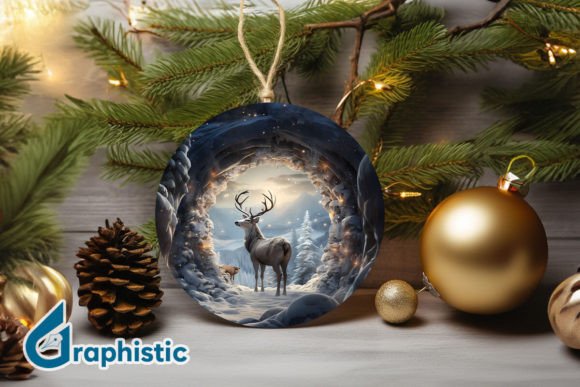
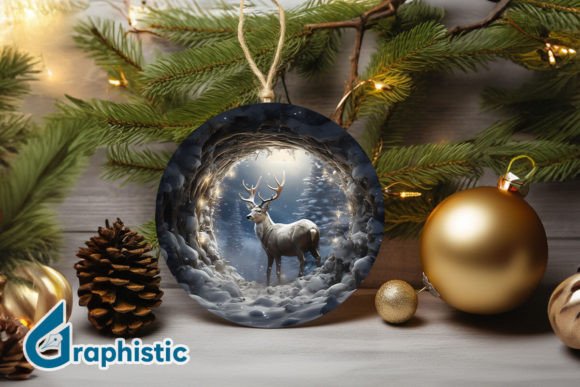
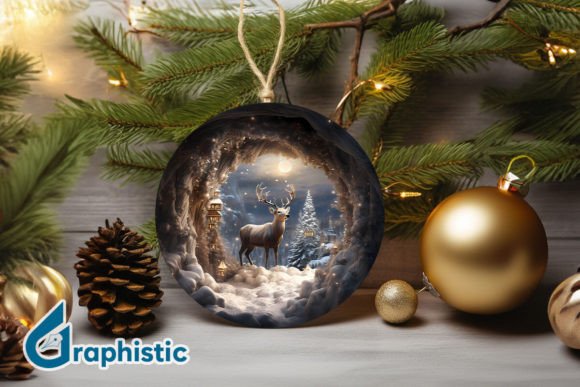
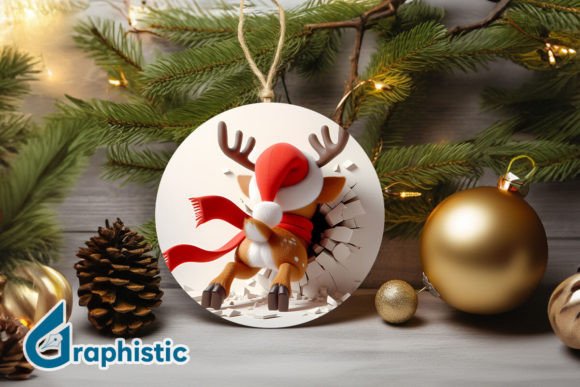
When you first look at the Reindeer 3D Christmas Ornament Back 27, you get a sense of classic holiday warmth. It’s not a flashy, modern graphic; it feels nostalgic and solid. The shape of the ornament back itself creates a natural, contained focal point, making it an ideal candidate for embroidery. The reindeer silhouette is simple yet recognizable—this is key. As an embroidery designer, I see a design that won’t get lost in stitch translation. It has a friendly, almost traditional visual personality, perfect for projects that aim to feel handmade and heartfelt, not mass-produced.
Where This Design Finds Its True Home
In my mind, I immediately picture this on a cozy, heavyweight sweatshirt or a sturdy canvas tote bag. The solid, rounded shape of the ornament back means it can hold its own as a single, statement embroidery piece on apparel. For a small business owner creating holiday merchandise, this design could become a staple—think embroidered pillow covers for a cozy home decor line or a simple, elegant patch sewn onto a knitted blanket. It also whispers “personalized gift.” Imagine a baby’s first Christmas bib or a special kitchen towel for a holiday hostess gift. The mood is gentle and celebratory, making it suitable for items you want to feel special and gift-worthy.
A Practical Scenario: The Boutique Holiday Tote
Let’s walk through a real case. You’re preparing a limited run of holiday tote bags for your Etsy shop or craft fair booth. You load the Reindeer 3D Christmas Ornament Back 27 file. The clear silhouette means the satin stitch outlining the ornament and the fill stitch for the reindeer will be distinct. On a natural canvas bag, using a classic red or forest green thread, this design will look crisp and professional. It’s not overly detailed, so it won’t require an excessive stitch count that might pucker thicker fabric. A customer browsing your booth will instantly recognize the festive theme and appreciate the clean, handmade presentation. This directly boosts the perceived value of your product.
Performance Across Different Embroidery Terrains
For custom apparel like t-shirts, the design’s moderate complexity is a benefit. On a standard cotton tee, with proper stabilizer, it should embroider cleanly without being too dense. However, on stretchy fabrics or thinner materials like some baby clothes, you’d need to be cautious. The solid areas of the ornament back might require adjusting stitch density to prevent pulling. For caps or curved surfaces, the rounded shape is actually advantageous—it lacks sharp corners that can distort on a curved seam. As a machine embroidery design, its strength lies in its adaptability to various projects, from framed hoop art to a festive apron, provided you pair it with the right fabric and stabilizer.
In commercial embroidery projects or for apparel decorators producing multiple units, the clear graphic translates well. It’s easily recognizable at a distance (important for branded shop merchandise) and stitches up efficiently. For digital product sellers, this file is a solid asset for creating printable mockups or as part of a holiday-themed bundle, because the final stitched result is predictable and appealing.
Spots Where This Design Requires a Careful Hand
While versatile, there are places I’d use this design thoughtfully. On very dark fabrics, the reindeer silhouette inside the ornament might need a bright, contrasting thread to pop—test this on scrap first. If you’re thinking of extremely small hoop sizes, perhaps for a tiny patch on a child’s hat, some of the internal details could become too tight; always inspect small details at your intended scale. Also, on textured fabrics like a knit blanket, the fill stitch areas might need a lighter density to sit smoothly. The design isn’t overly dense, but on layered garments like a quilted jacket, you’d need extra stabilizer support. Products destined for frequent washing, like kitchen towels, benefit from a robust stitch construction—again, testing on your actual fabric is non-negotiable.
How It Elevates Your Craft Business
Using a design like this consistently across your holiday line—say, on sweatshirts, tote bags, and tea towels—builds brand consistency. It becomes your signature holiday motif. For creative entrepreneurs, that builds customer trust and recognition. The handmade presentation feels professional because the design is clean and well-defined after stitching. This directly affects buyer engagement; a clear, attractive embroidered product photographs beautifully for your Etsy listings and social media, making it more giftable and desirable.
Essential Designer Notes Before You Stitch
Before you commit this to a client project or a batch of shop merchandise, do the practical groundwork. First, always stitch the Reindeer 3D Christmas Ornament Back 27 out on scrap fabric of the same type you plan to use. This reveals how thread color contrast works on your background. Check the stitch density by feeling the sample—is it too stiff for a baby garment or perfect for a pillow? Confirm your hoop size accommodates the design comfortably. Inspect the small details, especially around the reindeer, to ensure they’re clear. I also recommend testing it in a simple black and white mockup to see how it reads without color; this helps gauge its fundamental shape strength.
Use proper stabilizer for your specific fabric; this is critical for maintaining clarity. Compare how it looks on light and dark fabric backgrounds by stitching two samples—you might discover a thread palette you prefer. Crucially, check the provided license for the digital embroidery file. Ensure it covers your intended use, whether for personal gifts or commercial embroidery projects where you sell the finished product. Never assume; verifying this protects your craft business.
A Design Built for Making
The Reindeer 3D Christmas Ornament Back 27, in the end, feels like a designer’s practical choice. It’s a graphics file that understands it will become physical stitchwork. It avoids overly fussy details that complicate embroidery, offering instead a solid shape and a friendly theme that stitches up reliably. Whether you’re an hobbyist making personalized gifts or a small shop owner building your holiday inventory, this design provides a foundation you can trust. Pair it with thoughtful fabric selection, careful testing, and quality thread, and it will yield finished products that carry that warm, handmade holiday spirit you’re aiming to create.