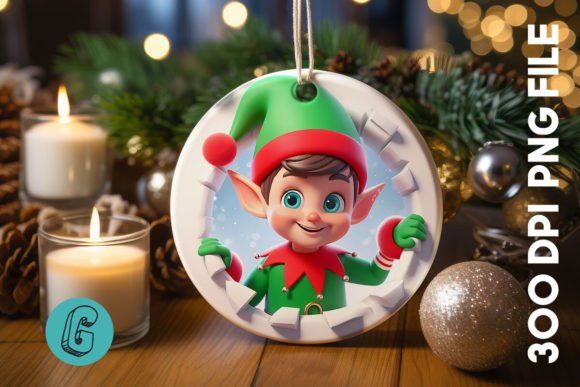
Reviewing the Cute ELF Christmas Ornament Embroidery Design
As a designer who relies on digital embroidery files for both my client work and my own product line, the first thing I look for isn't just a cute image—it's a viable stitching blueprint. When evaluating the Cute ELF Christmas Ornament F 136, I approached it with a specific project in mind: a custom embroidered tote bag intended as a limited-edition holiday item for my small shop. This practical lens reveals much more than a product description can.
The Immediate Charm and Practical Personality of this Elf
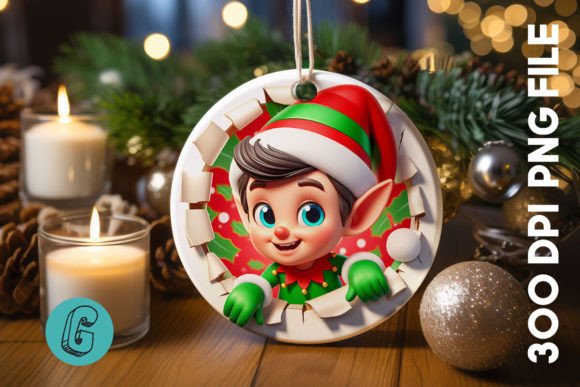
The design’s personality is its strongest asset. It has that classic, whimsical elf look—curly-toed shoes, a cheerful smile, and ornament-style detailing—that feels instantly nostalgic and warm. This isn't an overly complex or trendy illustration; it’s a friendly, recognizable character. For embroidery, this is a huge advantage. The mood it creates is pure festive joy, perfect for gifts and holiday merchandise. The layout is central and balanced, making it a straightforward candidate for a single focal point on an item. The detail level appears thoughtful: outlines are clear, and areas like the hands and hat seem designed to be distinct without becoming a dense, thread-heavy nightmare. It feels like an illustration that understands it will become stitches.
Where This Elf Finds Its Home: Real Project Scenarios
In my mental workshop, I immediately pictured this elf stitched onto a natural canvas tote bag. It would be a charming, saleable piece. But its applications are wider. For custom apparel, a left-chest placement on a holiday sweatshirt or the center of a kid’s t-shirt would work beautifully. Given its theme, it’s a natural fit for baby clothes like a seasonal bib or a little sweater, provided the fabric is stable. As an embroidered patch, it could be fantastic—backed and applied to a cap or a backpack. I also considered it for home goods: a simple outline stitch on a pillow cover or a crisp, full-color rendition on a kitchen towel for a festive touch.
For small business merchandise, this is a solid design asset. Its clear, joyful aesthetic translates well to Etsy listings and craft fair products. It has high “giftability”—people looking for a handmade Christmas present for a teacher, neighbor, or family member would be drawn to it. In a boutique setting, it supports a cohesive holiday brand look. It’s also worth noting that as a digital embroidery file, it can be used in printable mockups to sell the idea before you even stitch it, which is a huge plus for creative entrepreneurs.
Navigating the Stitching Terrain: Considerations for Success
While the design looks promising, its real-life performance depends on careful application. Here’s where a designer’s practical judgment comes in. The elf’s shape is mostly rounded, which is good, but pay attention to the finer details. The pointed hat tip, the small fingers, and the narrow spaces in the ornament's top knot could be challenging on certain fabrics or if the file’s stitch density is very high.
I would use this design carefully on very small hoop sizes, as compression might lose some charm. Textured fabrics like some sweater knits or thin, stretchy fabrics without proper stabilizer could distort those clean lines. If you’re considering it for a curved surface like a cap, test the orientation—the central layout helps, but you must check the file’s suitability for curved templates. For dark fabric backgrounds, the visual appeal hinges on your thread color choices; a classic Christmas green and red palette would pop, but always check contrast in a mockup first.
Products that need frequent washing, like tea towels or baby items, require robust stitching. I’d recommend testing the durability of the stitch structure, especially in any potentially dense fill stitch areas, to ensure it holds up. This isn't a criticism of the design itself, but a universal reminder: the file is a blueprint, and your execution determines the final product's quality and customer trust.
Designer Notes for a Professional Finish
Before committing this elf to a client’s order or your shop inventory, follow these steps. Always test the design on scrap fabric first, using the same material and stabilizer as your final project. This reveals everything: thread tension, the clarity of small details, and whether any satin stitch or fill stitch sections pucker. Review the stitch density by looking at the sewn sample—is it too thick for lightweight fabrics? Confirm the physical hoop size needed; the design’s scale dictates this.
Inspect the small details on your test piece. Are the elf’s eyes and smile distinct? Does the ornament detail read clearly? Run a simple black-and-white digital mockup to see the pure shape, and compare it on light and dark background simulations. Use the proper stabilizer; for a design like this, I’d likely start with a medium-weight cutaway for apparel to keep it crisp. Crucially, confirm the licensing before selling finished items. The product description mentions it’s a digital download for creative projects, but you must verify if commercial use is permitted for your handmade products and small shop merchandise.
The Final Impression: Value Beyond the Download
The Cute ELF Christmas Ornament F 136, from a designer’s point of view, is more than a graphic. It’s a versatile, emotionally resonant asset for the holiday season. Its visual appeal translates directly into stitching clarity if handled well, boosting the perceived value of the finished product. A clean, professional embroidery of this design on a tote bag or sweatshirt enhances customer trust and your brand’s presentation as a maker. It feels handmade in the best sense—skillful and personal.
For engagement, it’s a recognisable, festive character that will attract buyers looking for that specific Christmas cheer. Its simplicity is its strength, allowing it to fit into a personal gift or a commercial embroidery project without seeming generic. My final thought, holding that imaginary embroidered tote bag, is that this elf has the potential to become a staple in your holiday project rotation—provided you partner its charming blueprint with your careful craftsmanship.